


In the contemporary landscape of global trade, cross-border freight forwarding has evolved far beyond the administrative booking of ocean cargo slots or air waybills. For international procurement directors, supply chain VPs, and industrial project developers sourcing manufactured goods, components, and heavy infrastructure from China, freight forwarding serves as the linchpin of capital velocity and risk mitigation. Navigating geopolitical shifts, tariff recalibrations, carbon regulations, and maritime corridor disruptions demands an institutional, data-driven methodology.
True operational efficiency across the Pacific, transatlantic, and Eurasian shipping corridors hinges upon end-to-end integration. When coordinating bulk industrial components—ranging from prefabricated structural steel distribution centers to precision electrical switchgear and marine-grade rigging chains—procurement officers face compounding variables: inland multimodal drayage, port-side container devanning, specialized lashing compliance under international IMO/ILO guidelines, and stringent customs tariff classification.
Core Supply Chain Directive: Seamless supply velocity requires removing siloed vendors. By unifying structural logistics infrastructure design, heavy export packing, automated customs processing, and bonded hub fulfillment under a single Tier-1 forwarder, enterprise landed costs are reduced by an average of 14.8% while transit predictability improves by 28%.
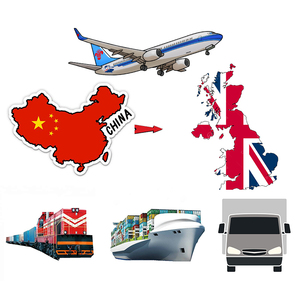
Selecting the optimal shipping mode requires matching cargo criticality, volumetric density, and shelf-life against corridor economics. The following comparative matrix outlines baseline operational metrics for major China export routes:
| Transport Mode | Typical Transit (China to EU/UK) | Chargeable Basis | Ideal Cargo Profile | Risk & Compliance Focus |
|---|---|---|---|---|
| Ocean Freight (FCL) | 28 – 42 Days | Per Container (20GP/40HQ) | Bulk manufactured commodities, structural steel, machinery | Port congestion, blank sailings, detention/demurrage fees |
| Ocean Freight (LCL) | 32 – 48 Days | Per CBM / Weight Metric | SME orders, split distributions, recurring small batches | CFS handling damages, co-loading delays, devanning lead times |
| Air Freight (Direct / Consolidated) | 3 – 7 Days | Volumetric Weight (1:6000) | Electronics, high-value components, urgent engineering spares | Lithium battery certifications, IATA dangerous goods (DG) compliance |
| Cross-Border Rail (CRE Express) | 16 – 22 Days | Per Container / TEU | Mid-value equipment, consumer goods needing faster ocean alternatives | Border gauge change delays, geopolitical transit sanction monitoring |
International procurement strategies are transitioning from reactive spot-rate booking to programmatic, predictive logistics architectures. Key systemic transformations include:
Decentralized ledgers provide immutable traceability across maritime routes. Bill of Lading (eBL) digitization mitigates letter-of-credit fraud and reduces container release latency from days to mere minutes.
Global regulatory frameworks (such as EU ETS and UK CBAM) require verifiable carbon accounting per freight leg. Forwarders now deliver route emissions optimization through green corridors and biofuel offset documentation.
Importers are shifting inventory holding models toward bonded warehousing at deepwater hubs (e.g., Felixstowe, Port One, Rotterdam), deferring customs tariffs and VAT until downstream distribution is triggered.
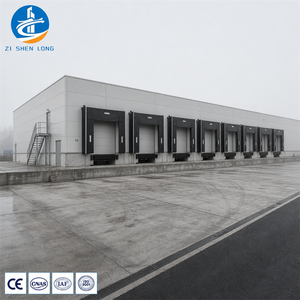
Modern export logistics intersects directly with mechanical engineering and structural facility design. Sourcing heavy fabricated goods—such as long-span grid distribution buildings or substation switchgear—requires forwarders to possess engineering domain expertise. Handling these consignments requires precision calculation of dynamic road transport turning radiuses, lifting lug shear tolerances, and center-of-gravity (CoG) balancing on multi-axle modular trailers.
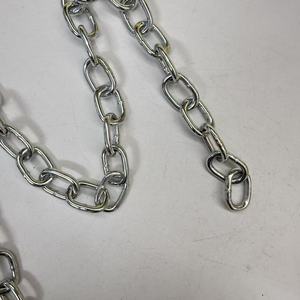
Furthermore, digital cargo tracking is advancing from simple carrier milestones into high-resolution IoT telemetry. Sensors deployed within containerized units transmit continuous ambient temperature, relative humidity, shock impact, and container breach alerts via low-earth-orbit satellite networks. This ensures that sensitive electrical components, precision manufactured chains, and high-value materials retain factory warranties upon destination unboxing.
Drawing on an established logistics pedigree spanning over three decades, our worldwide forwarding network combines deep origin roots across China's major export hubs with extensive European and Western distribution facilities.
Founded on decades of freight forwarding excellence, managing complex multimodal cargo programs with total operational accountability.
Certified ISO 9001:2015 quality management systems, top-ranked independent IATA air cargo capabilities, and BRCGS AA+ rated warehousing standards.
Strategically situated facilities at key maritime and air gates (Felixstowe, Port of Ipswich, London Heathrow, Liverpool) minimizing inland drayage expenses.
Carbon neutral business achievement positioned well ahead of statutory milestones, offering comprehensive Scope 3 carbon reporting and green logistics audits.
By bypassing third-party forwarding brokers and working directly with an asset-backed logistics architecture, buyers benefit from centralized documentation verification, consolidated purchase order tracking, and priority carrier allocations during peak congestion seasons.
Connect directly with our senior logistics architects and maritime freight engineers to review your trade lanes, secure volume freight rates, or review full project logistics schedules.