Direct access to our certified logistics nodes, industrial port clearance faculties, and bonded transshipment workflows spanning high-volume maritime lanes worldwide.
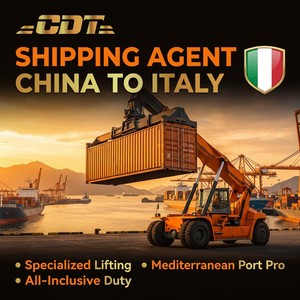

Modern global commerce depends critically on high-throughput port handling services that bridge maritime navigation with landside multi-modal transportation corridors. In contemporary supply networks, port operations have transitioned from commoditized manual stevedoring to complex, tech-integrated, and compliance-driven physical nodes. Modern ports function as agile fulfillment centres capable of processing containerized cargo, out-of-gauge (OOG) heavy project assemblies, and temperature-sensitive biologicals with microscopic dwell times.
When selecting a port handling facility or third-party logistics (3PL) terminal supplier, global procurement directors must evaluate not merely dockside lifting capacity, but the holistic terminal ecosystem. This covers bonded customs warehousing integrations, automated container devanning systems, cross-dock velocity, and seamless interoperability between quayside gantry equipment and inland haulage infrastructure.
Directing import volumes through port-centric distribution parks—such as Port One Suffolk or the Port of Felixstowe perimeter—removes unnecessary secondary haulage legs. De-stuffing marine containers within the immediate port zone saves up to 24% on total landed container costs by eliminating demurrage risks, empty restitution repositioning fees, and domestic fuel surcharges.
Selecting the optimal cargo classification dictates operational handling protocols, berth-side machinery requirements, and statutory customs compliance checks:
| Handling Category | Primary Machinery Used | Typical Berth Dwell | Key Compliance Requirement | Supply Chain Risk Factor |
|---|---|---|---|---|
| Full Container Load (FCL) | STS Gantry Cranes, Reachstackers, Automated AGVs | 12–36 Hours | VGM Safety Weighing & Manifest Filing | Quayside yard congestion; dwell fee accumulation |
| Less-than-Container (LCL) | Electric Forklifts, Cross-Dock Sorting Conveyors | 24–72 Hours | De-consolidation & Customs Bond Transfers | Cargo damage during un-stuffing; sorting errors |
| Breakbulk & Heavy Lift | Floating Cranes, Multi-Axle SPMTs, Mobile Harbor Rigs | 48–120 Hours | Method Statements, Route Surveys & Rigging Audits | Structural shear failure; non-compliant export packing |
| Reefer & Cold Chain | Automated Monitoring Plugs, GenSet Power Packs | Continuous | Temperature Logs & Veterinary/SPS Clearance | Power dropouts; cold chain integrity failure |
The global port handling paradigm is undergoing structural transformations caused by decarbonization directives, geopolitical disruptions, and algorithmic port automation:
Tier-1 terminal handlers are deploying predictive AI to sync ocean container carrier arrivals with Automated Stacking Cranes (ASCs) and driverless electric trucks. This predictive synchronicity compresses vessel turnaround times by 35% and guarantees precise inland intermodal transfer slots.
With global maritime Scope 3 emission reporting standards tightening, top-tier handling suppliers are adopting 100% electrified terminal operations. Shore-to-ship cold-ironing systems allow docked vessels to power down auxiliary engines, aligning importers with critical ESG and net-zero procurement scorecards.
Tariff complexities are accelerating the demand for bonded deep-water handling parks. Buyers avoid massive cash-flow drain by holding inventories in duty-suspended bonded waterfront units, triggering customs and VAT obligations only upon domestic release or bypassing them via direct transshipment.
Supply line volatility across major shipping chokepoints has made dynamic route re-engineering essential. Elite port handlers maintain agile network capabilities that divert cargo between deep-water ports, regional feeders, and air-freight express hubs like London Heathrow without administrative lag.
Operating with over three decades of verified logistics mastery, our port handling, stevedoring, and multi-modal freight engineering solutions combine physical asset control with meticulous administrative precision.
Direct infrastructure access across premier transport hubs: Felixstowe, Port of Ipswich (Westbank), London Heathrow, and Liverpool.
Operations governed by audited standards, safeguarding perishable food items, pharmaceuticals, and sensitive engineering assets.
Specialist rigging, bespoke ISPM-15 export crating, and turnkey transit coordination for critical industrial assemblies.
Industrial port handling includes vessel stevedoring (loading and unloading containers or bulk freight via gantry/mobile cranes), container yard management, terminal shunting, container devanning and consolidation, wharfage handling, tallying, cross-docking, and specialized rigging for breakbulk and out-of-gauge (OOG) machinery.
Port-centric bonded warehousing suspends the payment of customs duties and import VAT while freight remains in storage. It eliminates costly demurrage charges accrued from container detention at port terminals, slashes drayage truck transport fees, and permits flexible partial de-stuffing and batch release strictly aligned with order velocity.
Cargo that exceeds standard ISO shipping container dimensions (length over 40ft, width over 8ft, or height over 8.6ft/9.6ft) or gross weight limits of standard gantry spreaders is categorized as Out-of-Gauge (OOG) or breakbulk. This demands specialized lifting beams, customized crane strops, certified marine surveyors, and direct discharge onto heavy-duty SPMT trailers.
Essential pre-arrival documentation includes the Ocean Bill of Lading (B/L) or Sea Waybill, Commercial Invoice, detailed Packing List with Harmonized System (HS) Commodity Codes, Verified Gross Mass (VGM) declarations, Import Licenses for regulated goods, and relevant preferential Certificates of Origin under bilateral or multilateral trade frameworks.
Dangerous goods are processed under strict International Maritime Dangerous Goods (IMDG) codes. Certified port handling operations enforce segregated explosive and chemical containment bays, real-time fire detection, spark-proof handling attachments, certified DG safety officers, and full alignment with maritime environmental safety directives.
Connect directly with our port operations directors and customs brokerage architects to design a streamlined, cost-effective handling program for your global shipments.