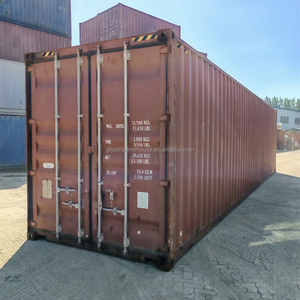
Direct supply line for certified ISO container fabrications, high-capacity material handling components, and end-to-end multimodal transport channels engineered for enterprise procurement integrity.

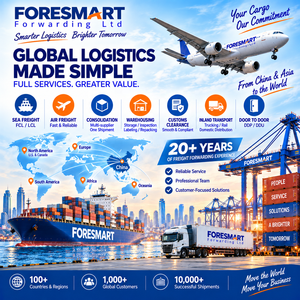
In modern supply chain architecture, moving freight across maritime, air, rail, and highway networks demands physical asset ownership combined with deeply integrated regulatory clearance mechanisms. Backed by over three decades of operational execution through Hemisphere Freight Services and allied global logistics infrastructures, we bridge primary ISO manufacturing lines with end-market port-centric terminals. Our enterprise facilities bypass the delays typical of third-party brokering by deploying direct port-adjacent hubs, our own dedicated container staging grounds, and in-house compliance specialists.
"True supply chain resilience is achieved when multimodal equipment manufacturing (ISO standard containers, automated conveying assemblies) synchronizes perfectly with in-house customs clearance, bonded warehousing, and point-of-origin charter capabilities."
Operating through prime British and European gateways—including Felixstowe (the UK's primary container artery), London Heathrow (IATA-accredited air hub), Port One Logistics Park, Liverpool, and the engineering port base at ABP Port of Ipswich—our network coordinates factory-gate dispatch with international freight forwarding. By commanding both the supply of shipping hardware (20GP, 40GP, 45HQ Corten steel intermodal containers) and direct multimodal transport lanes (FCL ocean line charters, Tier-1 scheduled air freights, and heavy road haulage), we ensure absolute accountability across your cargo lifecycle.
Port-centric container devanning, bonded storage, and automated rail-head connectivity reducing inland drayage expenses.
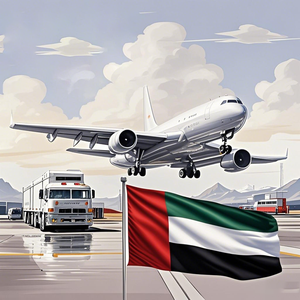
Direct IATA-certified handling, airside palletization, temperature-regulated cold chains, and express customs release.
Specialized abnormal load handling, ISPM-15 export packing, heavy machinery preservation, and case fabrication.
Strategic maritime connectivity servicing transatlantic industrial corridors and Northern UK manufacturing clusters.
International trade procurement has evolved past simple spot-rate ocean booking. Enterprise procurement directors today navigate geopolitical transit diversions (such as Cape of Good Hope rerouting), evolving carbon border compliance structures, and the critical balance between inventory holding costs and transit speed. Shifting from single-mode transportation toward integrated multimodal transport reduces volatility across three core axes: Lead-Time Standard Deviation, Landed Duty Optimization, and Carbon Intensity Mitigation.
Procurement teams increasingly deploy balanced multimodal splits: dispatching 75% of volume via FCL Ocean Freight (low cost baseline) paired with 25% via high-velocity Air Charters or Sea-Air transshipment hubs (Dubai/Singapore) to preserve working capital while securing critical production runs.
Procuring raw goods or finished assets directly into certified customs bonded facilities allows enterprises to defer import VAT and tariffs until domestic distribution, significantly unlocking cash flow during periods of market fluctuation.
Buyers are shifting from traditional FOB terms to comprehensive DDP (Delivered Duty Paid) frameworks. This places responsibility for export documentation, ocean transit, customs clearance, and last-mile delivery on a single accountable logistics partner.
Furthermore, environmental mandates like the EU Corporate Sustainability Due Diligence Directive (CSDDD) and maritime ETS carbon pricing make Scope 3 transport reporting mandatory. By operating out of verified carbon-neutral facilities and deploying fuel-efficient transport fleets, our multimodal network delivers audited CO2e emissions reporting on every shipment leg, providing enterprise buyers with transparent compliance documentation.
The manufacturing of multimodal transport equipment is undergoing a major technological transformation. Next-generation intermodal freight infrastructure balances mechanical strength with real-time digital intelligence to handle complex international supply chains:
Modern intermodal containers are built with low-power IoT transceivers monitoring internal temperature, atmospheric pressure, shock, and unauthorized door access via satellite/cellular mesh networks, maintaining cargo visibility across deep-sea voyages.
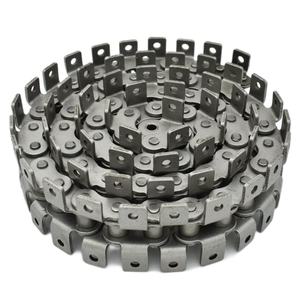
Factory conveyor and transport chains use advanced alloy steel formulations with specialized heat treatments, offering superior fatigue life and resistance to chemical wear in automated sorting hubs and intermodal devanning facilities.
Adopting UNCITRAL Model Law on Electronic Transferable Records (MLETR) frameworks lets our logistics network process digital Bills of Lading (eBL) directly through customs portals, reducing ocean port dwell times by up to 72 hours.
Expert insights addressing key regulatory, commercial, and operational considerations in international cargo transit.
Multimodal transportation combines the cost advantages of ocean transit with the speed of air and road freight. By using scheduled ocean or rail services for the long haul and switching to regional air or dedicated road transport for the final leg, companies can reduce transit times by 50% compared to ocean shipping while saving up to 60% compared to direct air cargo.
Delivered Duty Paid (DDP) terms require the seller to manage export compliance, overseas freight, import declarations, customs clearance, and domestic delivery. Key documentation includes a commercial invoice with precise 10-digit HS commodity codes, packing lists specifying gross/net weights, ocean or air bills of lading, certificates of origin, and import EORI registration for relevant customs systems.
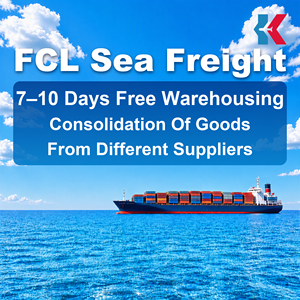
Full Container Load (FCL) becomes cost-effective once shipment volume reaches roughly 13 to 15 cubic meters (CBM), or when cargo requires heightened security. FCL keeps goods sealed from origin to destination, minimizing handling risks. Less than Container Load (LCL) is ideal for smaller shipments under 13 CBM, allowing buyers to pay only for the volume used while sharing container space.
Customs bonded warehouses suspend duty and VAT payments while cargo remains in storage. This allows importers to defer taxes until products are sold and released into domestic circulation. If items are re-exported, import duties are waived entirely—freeing up operational capital for high-value components or bulk raw materials.
Shipping dangerous goods (such as lithium batteries, energy storage devices, or chemicals) requires strict adherence to international safety codes: IMO IMDG for ocean, ICAO/IATA DGR for air, and ADR for road transport. Cargo must include an accurate Material Safety Data Sheet (MSDS), UN-certified packaging with compliant hazmat hazard labels, and a verified Dangerous Goods Declaration (DGD) signed by certified personnel.
Chargeable weight is based on whichever is greater: gross weight or volumetric weight. For air cargo, volumetric weight is calculated at 1:6000 (1 CBM ≈ 167 kg). For standard road haulage, the ratio is typically 1:3000 (1 CBM ≈ 333 kg). In ocean shipping, LCL is charged per revenue ton (1 CBM = 1,000 kg), meaning dense freight is billed by weight while lighter, bulkier goods are billed by volume.
Connect with our technical logistics and freight engineering specialists for route planning, factory container procurement, or end-to-end multimodal project quotes.
Get a Quote