Explore our specialized products, prefabricated engineered facilities, container solutions, and comprehensive international forwarding programs optimized for commercial US consignments.

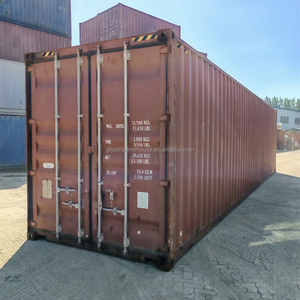
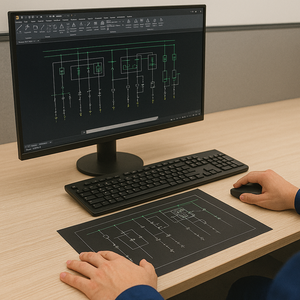

Out-of-Gauge (OOG) shipping and heavy-lift project freight forwarding into the continental United States represents one of the most intricate regulatory, marine, and intermodal engineering disciplines within modern supply chain management. By definition, OOG freight encompasses any static or rolling cargo whose external physical dimensions exceed the internal parameters of standard ISO intermodal shipping containers (specifically, a length over 39.5 ft, width greater than 7.7 ft, or height surpassing 7.9 ft on a standard 40ft dry van, or 8.9 ft on a High Cube equivalent). Such non-standard structural elements—ranging from modular petrochemical skids and heavy industrial autoclaves to pre-engineered steel substations, mining excavators, and stamping presses—require bespoke transport engineering solutions.
Exporting to the US mainland requires stringent coordination across maritime carriers, marine surveying bodies, stevedoring labor cartels at designated deepwater breakbulk terminals, state Departments of Transportation (DOT), the Federal Motor Carrier Safety Administration (FMCSA), and class-one railroad systems. A minor failure in cargo center-of-gravity (CoG) calculation, maritime dunnage configuration, or state-specific axle bridge weight formula compliance can precipitate critical transit disruptions, catastrophic marine casualty risks, or exorbitant demurrage and detention liabilities.
Modern international OOG cargo management utilizes three primary oceanic modalities depending on consignment profile, weight density, and mechanical lifting points:
1. Flat Rack (FR) & Platform (PL) Containers: Designed for self-contained oversized loads requiring lateral, longitudinal, or vertical expansion. Available in 20ft and 40ft variants featuring high-yield carbon steel corner posts and heavy-duty structural base beams capable of handling concentrated linear loads exceeding 30 to 45 metric tons. Collapsible-end flat racks permit over-length breakbulk cargo consolidation when marshaled across paired "bed" configurations (slot kills).
2. Hard-Top & Soft-Top Open Container Units (OT): Best deployed for machinery that strictly conforms to standard container widths and lengths but exceeds ISO roof clearance or demands direct top-loading via industrial gantry or floating derrick crane systems. Removable steel roof headers and TIR-approved PVC tarpaulins ensure weatherproof integrity while mitigating transit corrosion across multi-week transoceanic sea routes.
3. Geared Multipurpose & Heavy-Lift Vessels (MPP): For monolithic assets surpassing 85 metric tons or dimensions incompatible with container cell guides, project exporters must charter MPP vessels equipped with tandem heavy-lift deck cranes capable of dual-pick lifts upwards of 500 to 1,200 metric tons. Cargo hold structural deck strength (e.g., tank top load ratings of 15 to 25 metric tons/m²) is evaluated to prevent structural floor deformation, supplemented by custom fabricated steel saddles, load-spreading hardwood timbers (such as tropical Ekki or dense Oak), and certified chain lashing assemblies.
| Equipment / Modality | Standard Payload Limit | Allowable Max Width | Allowable Max Height | Optimal US Industrial Use Case |
|---|---|---|---|---|
| 40ft Flat Rack (Collapsible) | Up to 40,000 kg (88,180 lbs) | Up to 3,500 mm (Over-Width) | Up to 3,600 mm (Over-Height) | Structural assemblies, industrial pumps, mining crushers, CNC gantries |
| 40ft High Cube Open Top | Up to 31,500 kg (69,445 lbs) | 2,340 mm (Internal Normal) | Up to 3,200 mm (Top Protrusion) | Vertical processing tanks, boiler barrels, marine diesel generators |
| Platform (Flat Bed) | Up to 45,000 kg (99,200 lbs) | 4,200 mm+ (Multi-slot kill) | Vessel Stowage Dependent | Aircraft fuselages, turbine rotors, oilfield drill string bundles |
| Chartered MPP Tweendecker | 500 to 15,000+ MT DWT | Hold / Hatch Dependent | Multi-Deck Open Space | Refinery distillation columns, substation transformers, rail cars |
Executing the final inland leg from US ports of entry (such as the Port of Houston, Baltimore, Savannah, Los Angeles, or Newark) to interior destinations demands precision overland engineering. The US Interstate Highway System enforces rigorous load limits administered across individual states:
Each state retains independent jurisdiction over legal dimensional maximums (standard: 8 ft 6 in width, 13 ft 6 in to 14 ft height, 53 ft trailer length, and 80,000 lbs gross weight on 5 axles). Consignments exceeding these thresholds require Single-Trip Oversize/Overweight (OS/OW) Permits, mandatory daylight-only transit provisions, weekend travel curfews, civilian lead/chase escort vehicles, and state police escorts for superloads. Engineering route surveys must verify overhead utility line heights, interstate bridge clearances, tight turning radiuses, and dynamic construction zones well in advance of vessel discharge.
How overseas manufacturers and industrial exporters leverage our specialized OOG logistics framework across core American industrial sectors.
Direct discharge logistics for wind turbine nacelles, tower segments, and large-scale utility transformers directly into interior US hubs like West Texas, Iowa, and the Midwest renewable corridor. Involves specialized multi-axle steerable trailers and heavy-crane pad rigging on site.
Stowage, ocean crossing, and barging of custom chemical reactors, cracking towers, and pre-assembled pipeline modules entering through the Ports of Houston, Corpus Christi, or New Orleans to support major refining and LNG plants along the Gulf Coast.
Importing massive stamping dies, high-tonnage robotic hydraulic presses, and automated assembly equipment for electric vehicle (EV) battery plants and automotive gigafactories across Michigan, Tennessee, Kentucky, and Georgia.
Logistical clearance and flat-bed transport of pre-packaged containerized switchgear, cooling chillers, and emergency diesel back-up generators moving into key data corridors including Northern Virginia, Dallas-Fort Worth, and Phoenix.
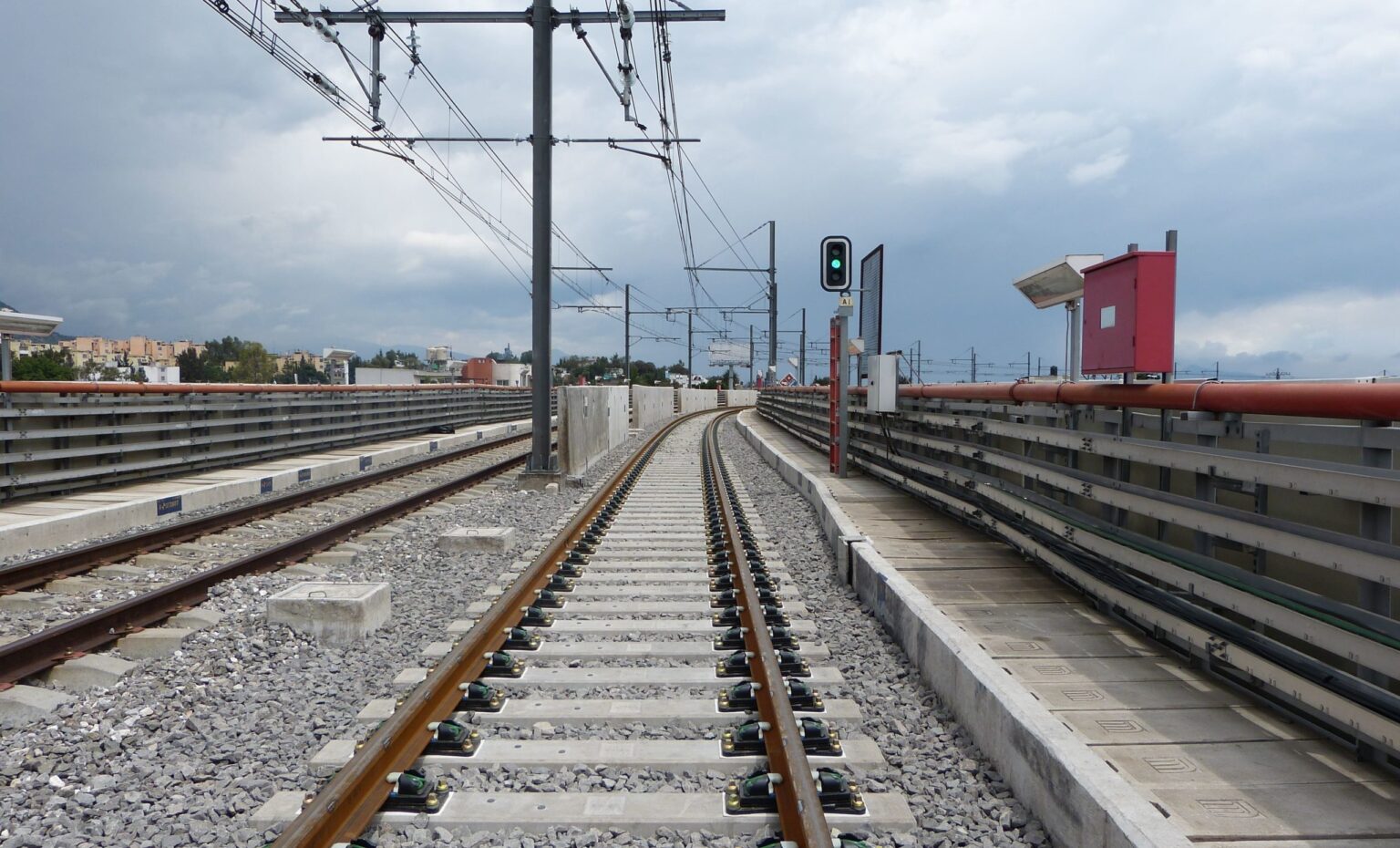
Delivering oversized pre-stressed structural steel components, bridge spans, tunnel boring machine (TBM) cutterheads, and turnout switches for transit systems and infrastructure developments across the Northeast and West Coast networks.
Handling open-pit excavation equipment, ball mills, and continuous miners arriving through Pacific and Atlantic gateways for delivery to resource mining operations across Nevada, Arizona, Montana, and Wyoming using specialized lowboy and RGN equipment.
Strategic perspectives shaping oversized cargo forwarding into the United States over the next decade.
State DOT networks are moving rapidly toward automated permitting engines that analyze bridge structural loading algorithms in real time, requiring carriers to submit precise CAD axle schematics during pre-clearance.
With stringent Federal Maritime Commission (FMC) scrutiny on detention and demurrage, OOG shippers must arrange immediate direct-discharge transfers (hook-to-truck) to bypass daily terminal space penalty fees.
Breakbulk cargo requires customized non-containerized Importer Security Filings (ISF-5) submitted at least 24 hours prior to loading at the foreign port, alongside physical inspection certificates for timber dunnage under ISPM 15.
Adoption of hydraulic self-propelled modular transporters (SPMTs) driven by electric or hybrid powertrains at major US port staging centers, reducing localized emissions during staging and assembly maneuvers.
Combining three decades of engineering-driven freight forwarding, port-centric distribution infrastructure, and comprehensive compliance management under one roof.
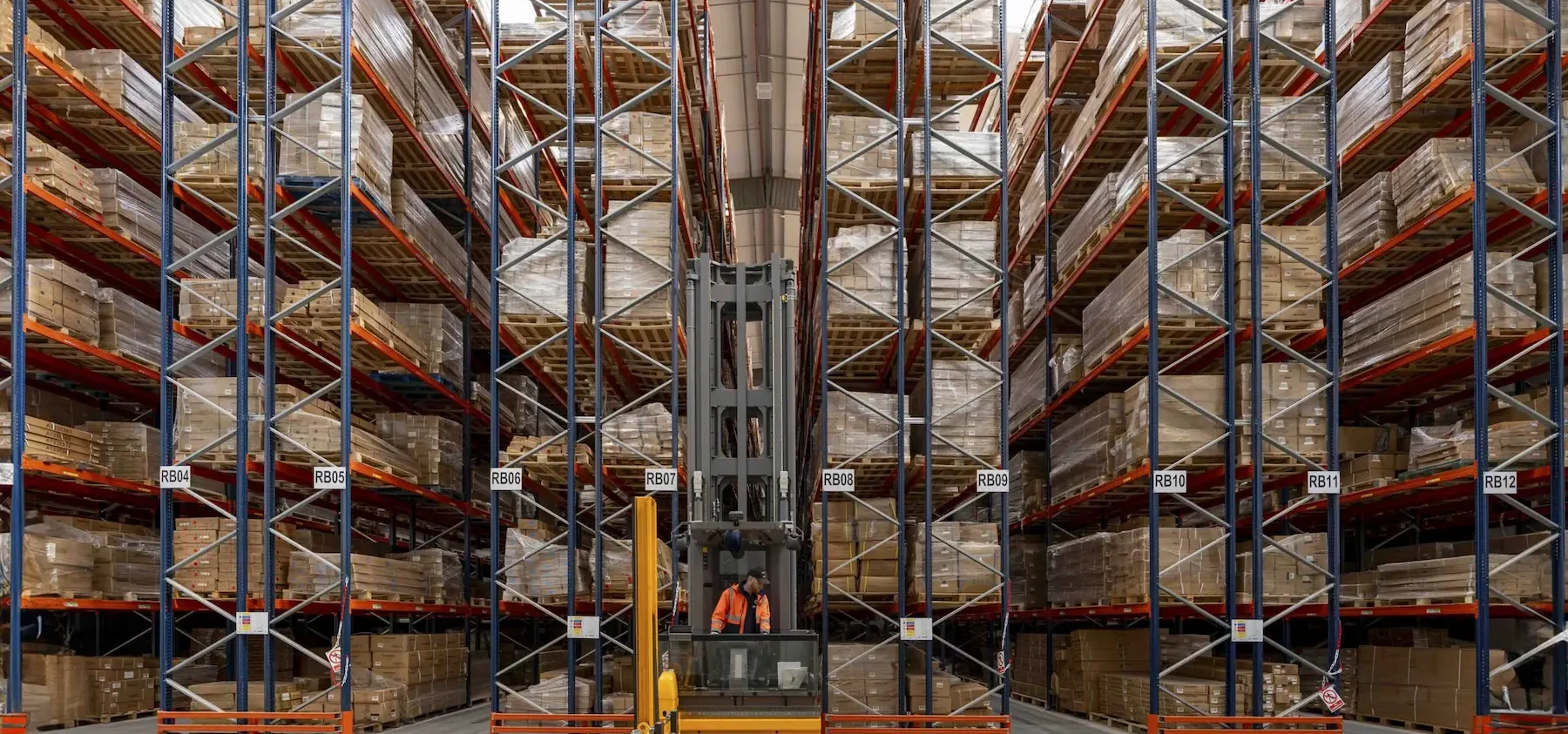
Our strategically situated logistics facilities at primary deepwater coastal zones deliver immediate transloading, devanning, container unlashing, and staging for superload road trailers, minimizing auxiliary demurrage fees.
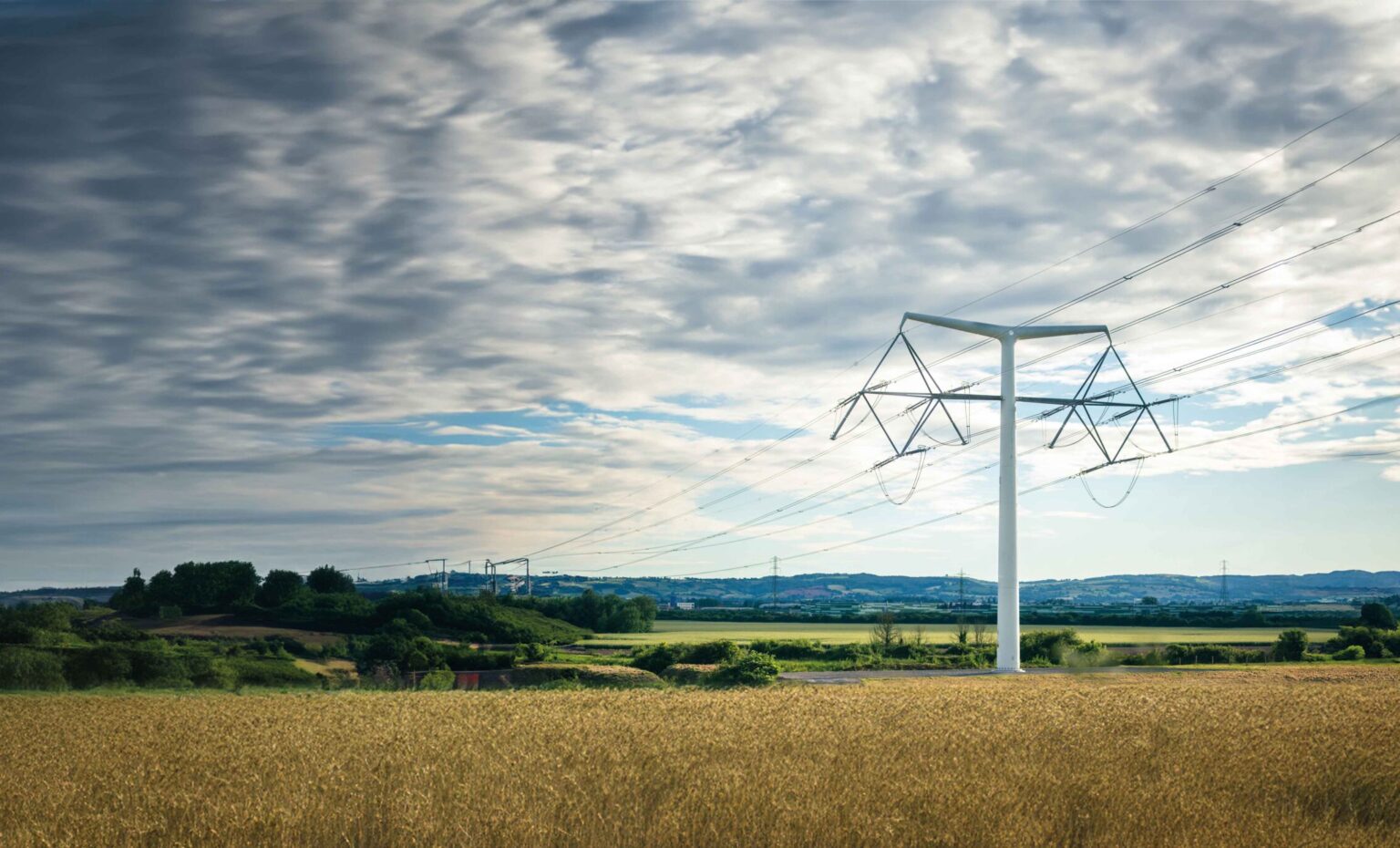
From national energy initiatives like Hinkley Point C pylon networks to massive railway transit system assemblies, our project divisions engineer route clearing, heavy lifting, and multi-supplier consolidation with certified precision.
Accredited across ISO 9001:2015, BRCGS AA+, and IATA standards. We manage complex single-source supply chain solutions including marine insurance, bonded storage, and certified ISPM 15 industrial export packing.
Essential guidance for procurement managers, project engineers, and global supply chain directors.
Connect directly with our senior heavy-lift engineering and project forwarding specialists to review cargo stowage, route feasibility, and door-to-door transit timelines.
Get a Quote