Select specialized logistics solutions, containerized intermodal options, and certified electrical distribution hardware designed specifically for utility-scale deployments in Mexico City.

Rapid door-to-door expedited air cargo for urgent utility-scale photovoltaic inverters, SCADA modules, and wind sensor replacements into AICM / AIFA airports.
End-to-end customs bonded pallet forwarding for switchgear, combiner boxes, and balance-of-system (BOS) electrical controllers destined for Valley of Mexico grids.
Turnkey multi-axle lowboy haulage and bonded staging for oversized step-up transformers, wind nacelles, and heavy structural ground-mount racking.

Shock-monitored, climate-supervised charter and scheduled air service for sensitive lithium battery management systems (BMS) and substation microprocessors.

Port-to-rail intermodal freight departing Manzanillo or Lázaro Cárdenas directly into Pantaco Dry Port (Vallejo), reducing highway congestion and carbon output.
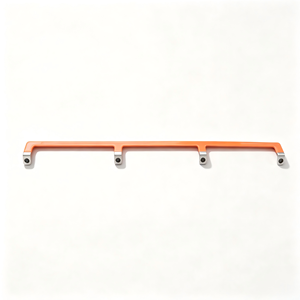
Nickel-plated, PE/PVC coated engineered busbars manufactured for high-efficiency commercial solar rooftop arrays, BESS containers, and data center microgrids.
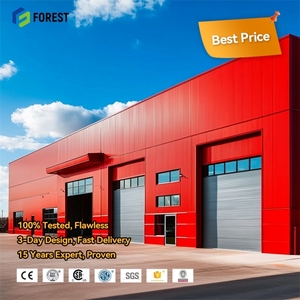
Pre-engineered structural steel staging warehouses with heavy racking systems, optimized for project developers holding solar modules near Mexico City logistics belts.
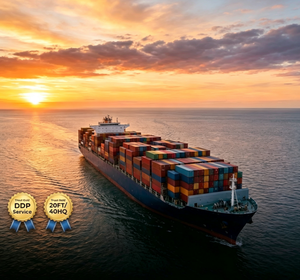
FCL and non-containerized breakbulk vessel chartering for mega-watt power modules, substation pylons, and utility balance-of-plant components shipped to Mexico.
The metropolitan zone of Mexico City (CDMX) and its surrounding industrial periphery across the State of Mexico (Edoméx) represent the most complex geographical, physical, and regulatory supply chain theater in Latin America. While northern Mexico garners substantial attention for utility-scale solar generation under initiatives like Plan Sonora, the Valley of Mexico operates as the critical high-density consumer and industrial consumption nexus. Deploying renewable power infrastructure—spanning urban distributed solar arrays such as the monumental 18-megawatt Central de Abasto (CEDA) solar project, industrial electrification throughout the Vallejo 500 tech corridor, and high-voltage grid upgrades spearheaded by the Comisión Federal de Electricidad (CFE)—demands precision logistics execution far beyond standard dry freight forwarding.
Executing renewable energy logistics into Mexico City requires addressing severe topography and civil restrictions. Nestled on an endorheic basin at an altitude of 2,240 meters (7,350 feet) above sea level and bounded by the Sierra Nevada and Trans-Mexican Volcanic Belt, cargo approaching from coastal maritime ports faces steep gradients, restricted bridge clearances, and dense urban arterial congestion. Overcoming these barriers requires an integrated engineering methodology that bridges international maritime chartering, specialized hydraulic trailer heavy haulage, bonded dry-port rail operations, and stringent Agencia Nacional de Aduanas de México (ANAM) customs clearance protocols.
A rigorous comparative matrix evaluating the dominant industrial export pipelines, production origins, and multimodal transport topologies that feed the Valley of Mexico's decarbonization boom.
| Top Framework / Origin | Primary Clean Tech Handled | Strategic Mexican Gateway | Transit Strategy & Inland Mode | Local Compliance / NOM Focus |
|---|---|---|---|---|
| 1. Transpacific Tier-1 PV Module Corridors (East Asia to CDMX) | Monocrystalline bifacial PV panels, smart tracker motors, string inverters | Port of Manzanillo / Lázaro Cárdenas | Maritime FCL to Ferromex / KCSM bonded rail reaching Terminal Pantaco (Vallejo). | NOM-001-SEDE-2012, Padron de Importadores, Regla 8va tariff dispensation. |
| 2. Out-of-Gauge Substation & Transformer Factories (EU/UK Exporters) | 230kV/400kV Step-up transformers, SF6 gas-insulated switchgear, T-pylons | Port of Veracruz / Altamira | Breakbulk maritime offload to multi-axle hydraulic lowboys via Puebla Corridor. | SICT heavy haul permits, NOM-003-SCFI-2014, seismic anchoring verification. |
| 3. High-Capacity Battery Energy Storage (BESS) Integration Lines | Lithium-iron-phosphate (LFP) containerized cells, BMS, HVAC thermal enclosures | Port of Manzanillo | DG Class 9 certified multimodal sea freight with active telemetric thermal monitoring. | PROFEPA hazardous transport permits, NOM-005-STPS, UL9540A documentation. |
| 4. Wind Generation Nacelle & Blade Precision Logistics | Turbine hubs, composite fiberglass blades, yaw drives, internal tower busways | Port of Veracruz / Tampico | Specialized extendable steerable trailers with civilian and police escorts through mountain passes. | SICT oversized highway authorizations, local municipal transit scheduling. |
| 5. High-Purity Copper & Aluminum Busbar Exporters | Engineered busway trunking, epoxy-insulated conductor rails, tap-off units | Mexico City AICM / AIFA & Veracruz Port | Consolidated ocean LCL or expedited air cargo directly into central CDMX fabrication plants. | NOM-063-SCFI electrical conductors testing and ASTM metallurgical certifications. |
| 6. Structural PV Carport & Prefab Racking Staging Plants | Hot-dip galvanized solar racking, ground anchors, canopy structural steel | Laredo / Nuevo Laredo Cross-Border Over-the-Road | Direct border transloading to full truckload (FTL) flatbeds via Highway 57D into Edoméx. | USMCA (T-MEC) Certificate of Origin, SAT Digital CFDI Carta Porte verification. |
| 7. Microgrid SCADA & Critical Inverter Spares Hubs | Programmable logic controllers, grid-synchronization electronics, IGBT modules | Felipe Ángeles International (AIFA - NLU) | IATA-accredited expedited air freight with temperature-controlled tarmac transfers. | ANAM rapid customs dispatch (Despacho Anticipado), pedimento A1 processing. |
| 8. Heavy Power Cable & Subterranean Duct Exporters | Cross-linked polyethylene (XLPE) insulated high-voltage copper transmission cables | Port of Altamira / Lázaro Cárdenas | Heavy-tonnage cable reel flat-rack container ocean freight, escorted flatbed delivery. | CFE LAPEM testing protocols, NOM-008-SCFI measurement system validation. |
| 9. Green Hydrogen & Electrolyzer Module Logistics | Proton exchange membrane (PEM) stacks, balance-of-plant compressor skids | Port of Veracruz / AICM | Pressurized, shock-isolated flat-rack ocean freight paired with vibration telemetry. | ASEA hazardous chemicals compliance, dynamic route stability surveys. |
| 10. Metro & Electric Mass Transit Track Electrification Systems | Third-rail conductor systems, DC rectifiers, vibration-dampened rail tracks | Port of Veracruz / Manzanillo | Intermodal project cargo, specialized rigging, port-centric storage and night city transit. | STC Metro engineering specs, strict off-peak CDMX municipal delivery windows. |
Examining actual deployment environments where international logistics execution directly determines project commissioning timelines and grid interconnection success.
Mexico City hosts the world's largest urban rooftop solar deployment atop the Central de Abasto in Iztapalapa. Supplying modules, micro-inverters, and mounting hardware inside this hyper-dense wholesale trading hub requires strict nighttime delivery windows, zero-emission electric site-handling machinery, and micro-consolidation warehouses positioned in Cuautitlán or Tlalnepantla to mitigate municipal daytime traffic bans.
Modernizing the central high-voltage rings (230kV to 400kV) feeding the capital requires heavy power transformer imports from European and Asian factories. Moving 120-ton autotransformers up the Sierra Madre Oriental from the Port of Veracruz necessitates hydraulic multi-axle SPMTs, civil bridge reinforcing calculations, and dedicated escorts via the Federal highway network to avoid low flyovers around CDMX's outer ring road (Anillo Periférico).
The northern industrial rim, stretching from Vallejo 500 through Naucalpan and along the tech-heavy corridor toward Querétaro, demands massive BESS deployments to buffer intermittent grid power for AI data centers and manufacturing facilities. Logistics providers must coordinate UN3480 Class 9 hazardous lithium-ion customs clearances, ensure dry fire-suppression during maritime transit, and provide crane positioning at restricted facility footprints.
The landscape for clean technology imports into Mexico is transforming under several catalytic policy and trade shifts:
As international manufacturers establish high-tech production nodes under nearshoring (relocalización) frameworks in Edoméx and the central region, private clean-power purchase agreements (PPAs) are skyrocketing. Logistics networks are pivoting toward high-volume containerized component streams rather than ad-hoc project shipments, favoring port-centric bonded staging facilities where inventory can be drawn down under IMMEX regimes.
Highway security challenges and steep highway fuel consumption over the mountain passes have led tier-1 developers to favor direct bonded rail transfer. Freight moving from Manzanillo directly into the Ferrovalle / Pantaco terminal bypasses highway congestion, lowers Scope 3 freight emissions by up to 65%, and allows on-dock customs clearance inside Mexico City's industrial center.
Furthermore, statutory compliance under CFE's LAPEM (Laboratorio de Pruebas de Equipos y Materiales) certification requires foreign factories to provide meticulous testing validation before utility interconnection gear is granted port release. Forwarders must actively align overseas production schedules with pre-shipment inspections to avoid terminal storage and demurrage accumulation at Pacific entry gates.
Authoritative legal, fiscal, and operational guidance for project developers, EPC contractors, and procurement directors importing clean tech equipment into Mexico City.
To import commercial or industrial renewable energy components into Mexico, the consignee of record must be registered in the official Padrón de Importadores managed by the SAT (Servicio de Administración Tributaria). For specialized electrical hardware, inclusion in the sector-specific padrón (e.g., Electronics or Steel/Metals) is frequently triggered.
Furthermore, shipments must clear under a valid Pedimento de Importación processed by a licensed Mexican customs broker (Agente Aduanal). If your company does not maintain a Mexican legal entity with an active RFC (Registro Federal de Contribuyentes), an experienced international freight forwarder like Hemisphere provides full turnkey DDP (Delivered Duty Paid) trading house services, handling fiscal representation, customs brokerage, and tax remittance directly.
Compliance with Normas Oficiales Mexicanas (NOM) is verified strictly at the customs point of entry. Key standards include:
Certificates of conformity must be issued by an accredited Mexican verification body (such as NYCE or ANCE). Hemisphere coordinates pre-shipment document audits to ensure test reports correspond precisely with customs fraction classification (Fracción Arancelaria).
Mexico City's elevation of 2,240 meters results in lower atmospheric air density, which impairs the natural thermal dissipation and dielectric insulation strength of high-voltage transformers and power electronics. Foreign factories must engineer oversized cooling radiators and increased clearance distances on bushings.
Logistically, transport packaging must withstand dramatic barometric pressure drops during the ascent from sea level (Veracruz or Manzanillo) over high mountain passes (reaching over 3,000 meters before descending into the valley). Oil-filled transformers and pressurized nitrogen-blanketed components require active pressure-relief monitoring. Furthermore, Mexico City's Zone III lacustrine clay soils amplify seismic waves; all crated gear must be rated and secured with certified dynamic lashing systems that counter multi-axis gravitational shocks during transit.
The optimal port gateway depends entirely on shipment origin and equipment physical dimensions:
Port of Manzanillo & Lázaro Cárdenas (Pacific): Premier gateways for cargo arriving from China, Japan, Korea, and Southeast Asia. Manzanillo handles dense containerized PV modules and inverter shipments, connected via direct Ferromex rail to Mexico City. Lázaro Cárdenas offers deeper draft and exceptional intermodal container rail connectivity via CPKC to Vallejo.
Port of Veracruz & Altamira (Gulf of Mexico): Ideal for European, British, and Atlantic US manufacturing hubs. Veracruz is the premier heavy-lift and breakbulk port for large power transformers, substation structures, and wind components, offering the shortest highway haulage corridor (approx. 400 km) directly into the Valley of Mexico via the Autopista 150D.
Transit risk across major Mexican freight arteries requires layered security protocols. For high-value renewable assets (such as inverters, copper conductors, and BESS racks), Hemisphere employs certified GPS-monitored convoys, geofenced route adherence, dual-driver teams, and dedicated armed or unarmed security escort vehicles where appropriate.
On the regulatory front, SAT mandates the CFDI con Complemento Carta Porte—a digital bill of lading linking tax identity, driver credentials, vehicle VIN, route coordinates, and customs pedimento numbers. Non-compliant transport risks cargo confiscation by the Guardia Nacional. Our local transport network operates with 100% automated electronic Carta Porte validation prior to wheel dispatch.
Yes. Under the Mexican Foreign Trade legal framework, Regla Octava (Rule 8th) permits registered manufacturers and energy developers to import complete machinery, parts, and specialized balance-of-plant components under a single preferential tariff heading (often 0% to 5% duty), provided the equipment is integral to a declared infrastructure or manufacturing project.
Additionally, developers utilizing an IMMEX framework or operating through fiscal bonded warehouses (Depósito Fiscal) can defer payment of the 16% Value Added Tax (IVA) and General Import Tax (IGI) until materials are permanently introduced into Mexican territory, dramatically improving cash-flow liquidity during multi-month EPC construction cycles.
With over three decades of operational excellence, Hemisphere Freight Services (HFS) delivers the rigorous engineering acumen of a specialist project forwarder backed by the expansive asset capabilities of a global logistics powerhouse. Our credentials provide verified certainty across every stage of the cross-border renewable supply chain:
Established independent freight forwarder with specialized project cargo divisions operating at key global maritime ports and air hubs including London Heathrow, Felixstowe, Ipswich, and Liverpool, handling complex abnormal loads across six continents.
Certified under ISO 9001:2015 for quality management and accredited with the highest BRCGS AA+ grade for storage and distribution. We are one of the highest-ranked independent IATA Cargo Agents, ensuring secure, time-critical air handling.
Achieved enterprise carbon neutrality five years ahead of the UK's 2030 mandate, operating solar-powered warehousing, electric handling fleet, and granular Scope 3 carbon emissions tracking per shipment to help clients satisfy green financing requirements.
Proven Engineering Case Study: Mexico City Metro Electrification & Track Infrastructure
Hemisphere demonstrated its acute logistical capability in Mexico City by coordinating the multi-modal transpacific shipment of specialized rail track assemblies and electrical conductor infrastructure for the Mexico City Metro project (partnering with Pandrol). Navigating tight urban delivery schedules, coordinating port clearance through Mexican maritime hubs, and executing damage-free heavy delivery into central CDMX rail yards demonstrates the exact operational standard applied to every utility clean energy contract.
Consult with our senior logistics architects and customs specialists. From project route feasibility studies and heavy-lift rigging to end-to-end DDP customs clearance and rail intermodal dispatch, we ensure your clean energy equipment arrives on site, on schedule, and fully compliant.
