
B2B Logistics White Paper & Sourcing Index
High-Velocity Freight Infrastructure Connecting China & Nagoya
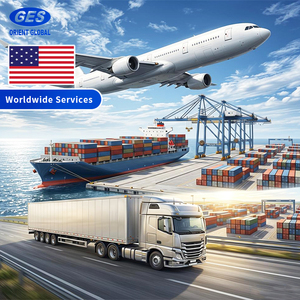
As the primary industrial powerhouse of Japan's Chubu region, the Nagoya market demands high-frequency, reliable maritime and multimodal air freight solutions. Below are our specialized freight forwarding and logistics supply configurations optimized for Japanese marketplace standards and industrial supply lines.


Localized Practical Application
Strategic Logistics Integration Across the Nagoya Metro & Aichi Prefecture
Nagoya is Japan’s undisputed manufacturing epicentre and an increasingly sophisticated direct-to-consumer e-commerce battlefield. Sourcing and distributing through this corridor requires an acute understanding of regional port operations, domestic freight hubs, and stringent marketplace compliance.
1. Port of Nagoya Port-Centric Container Devanning & JIT Staging
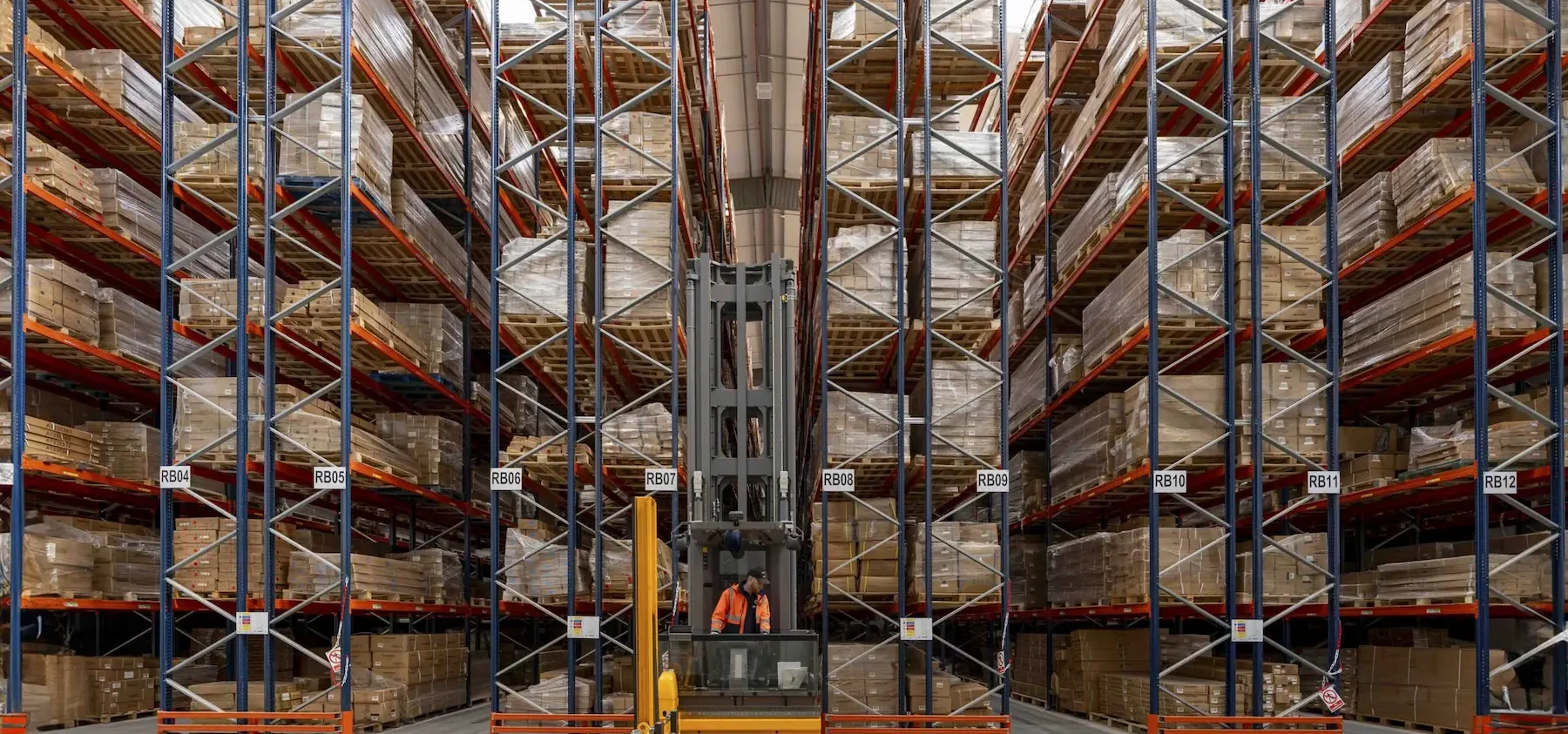
The Port of Nagoya handles the largest volume of export-import trade in Japan by total cargo value. For overseas manufacturers delivering high-velocity consumer electronics, automotive aftermarket spares, and fast-moving retail commodities, terminal dwell time equates to capital depreciation. Our end-to-end freight infrastructure leverages bonded warehousing operations and expedited devanning adjacent to the port berths.
By shifting breakbulk and sorting processes immediately to port-centric staging zones, container detention risks are virtually eliminated. Cross-docking facilities allow incoming FCL (Full Container Load) units arriving from Shanghai, Ningbo, and Shenzhen to be stripped, palletized according to Japanese standard 1100x1100mm pallet dimensions, and routed into regional distribution within six hours of vessel discharge.

2. Direct-to-Consumer (D2C) & Multi-Platform E-commerce Distribution
Sellers competing on Amazon Japan (FBA centers such as KIX1, HND9, and central Chubu fulfillment centers), Rakuten Ichiba, and Yahoo! Shopping face non-negotiable delivery window constraints. Consumers in the Tokai region expect same-day or next-day delivery without quality discrepancies or damaged packaging.
Our localized fulfillment architecture enables direct integration with API-driven ERP systems. Cargo transiting via dedicated air express into Chubu Centrair International Airport (NGO) or sea lines into Nagoya is funneled directly into pre-sorted regional parcel couriers (Yamato Transport, Sagawa Express, and Japan Post). With bilingual barcoding, Japanese-language labeling compliance, and custom return processing, your enterprise operates with the physical agility of a native domestic merchant.
Chubu Automotive Tier Integration
Direct supply-chain synchronization for Tier-2 and Tier-3 precision components entering Toyota City and peripheral industrial estates, managed under strict Just-In-Time (JIT) delivery protocols.
Japanese Consumption Tax (JCT) Compliant Invoicing
Seamless execution under the Japanese Qualified Invoice System. Every import declaration clearly documents applicable import consumption tax, safeguarding buyers against disallowed input deductions.
Overcoming the "2024 Trucking Logistics Bottleneck"
Navigating Japan's stringent overtime limits for truck drivers by decentralizing inland haulage via coastal feeder loops and regional freight hubs located strictly within a 50km radius of Nagoya.
Future Industry Forecast
Emerging Trends Transforming Cross-Border Freight to Nagoya
The regulatory, geopolitical, and structural landscape of Northeast Asian freight is evolving rapidly. Forward-thinking enterprises are re-architecting their operations to stay competitive and fully compliant.
Stricter Customs Scrutiny on Attributable Value (ACP & IOR)
Japan Customs has substantially tightened the surveillance of non-resident importers. Utilizing dummy importer schemes or undervaluing declaration prices now triggers severe administrative penalties. Sustainable growth relies strictly on appointed Attorney for Customs Procedures (ACP) frameworks, enabling legal non-resident importation with absolute fiscal compliance.
PSE, Food Sanitation & Pharmaceutical Regulatory Harmonization
Consumer electronic imports into Nagoya require rigorous compliance with the Electrical Appliance and Material Safety Act (PSE mark). Similarly, kitchenware and cosmetic products face strict clearance checks under the Food Sanitation Act and PMD Act. End-to-end logistics must integrate pre-shipment laboratory testing validation in China to ensure zero terminal impoundment.
Nearshore Consolidation & Micro-Hub Warehousing
Rather than shipping isolated small consignments via expensive express air parcels, brands are pivoting to consolidated weekly LCL containers discharging at Nagoya Port. Once cleared, cargo is stored in micro-fulfillment centers across Aichi, where domestic orders are fulfilled on demand, driving landed logistics costs down by up to 34%.
Operational Excellence
Why Major Importers Partner With Our Global Logistics Network
Drawing on more than three decades of international freight forwarding, bonded warehousing, and sophisticated customs clearance architecture, we eliminate complexity from your transpacific and intra-Asia trade lanes.
With fully certified operational protocols—including ISO 9001:2015 Quality Management and unannounced AA+ rated BRCGS warehousing credentials—our facilities operate under the most stringent handling criteria in modern freight transport. We are recognized as an IATA Accredited Cargo Forwarder, providing access to preferential block space agreements (BSA) across leading airlines connecting Shanghai (PVG), Shenzhen (SZX), and Hong Kong (HKG) directly with Nagoya (NGO).
From single ocean containers carrying retail merchandise to out-of-gauge project cargo requiring heavy-duty NACM-grade alloy steel rigging and specialized escort trailers, we maintain absolute custody of your cargo. Our dedicated customs teams resolve classification ambiguities, verify bilateral trade tariff treatments (such as RCEP preferential tariffs), and ensure full documentation accuracy prior to vessel arrival.

ISO 9001:2015 Certified
Internationally audited workflows guaranteeing repeatable operational precision across booking, transport, and freight clearance.
BRCGS Storage & Distribution AA+
The highest quality tier for handling consumer goods, ensuring warehouse hygiene, strict security, and total inventory integrity.
IATA Accredited Forwarder
Direct tier-one carrier access, securing space allocations even during peak seasonal shipping congestion and holiday surges.
Carbon-Optimized Routing
Scope 3 carbon emission calculations and green fleet deployment designed to meet strict enterprise ESG corporate governance benchmarks.
Procurement Guidance
Frequently Asked Questions: Sourcing & Shipping to Nagoya
Essential regulatory, financial, and logistical insights for cross-border merchants, suppliers, and procurement specialists operating in the Nagoya region.
How does an overseas company legally import into Nagoya without a Japanese domestic corporate entity?
Non-resident entities can import goods into Japan using an Attorney for Customs Procedures (ACP - 税関事務管理人). The ACP acts as your designated liaison to Japan Customs, filing declarations on your behalf while you retain the title of Non-Resident Importer of Record (IOR). Under this framework, you are legally responsible for import consumption taxes, allowing you to operate seamlessly without establishing a costly local subsidiary (Kabushiki Kaisha or Godo Kaisha).
What is the typical ocean transit and clearance lead time from Eastern China to the Port of Nagoya?
Direct ocean freight services departing from Shanghai or Ningbo have a port-to-port transit time of approximately 2.5 to 4 days to Nagoya Port. Once the vessel arrives, electronic pre-clearance under Japan’s NACCS (Nippon Automated Cargo and Port Consolidated System) permits customs release within 24 to 48 hours for standard compliant dry goods, resulting in an end-to-end factory-to-door timeline of 6 to 9 days.
How do RCEP rules of origin lower customs duties when importing from China into Japan?
The Regional Comprehensive Economic Partnership (RCEP) provides preferential tariff concessions on thousands of industrial and consumer HS codes traded between China and Japan. By securing a compliant Certificate of Origin (Form RCEP) issued by China Customs (CCPIT) prior to vessel departure, importers in Nagoya can eliminate or substantially reduce Japanese customs import tariffs, significantly boosting landed profit margins.
What are the mandatory labeling and safety requirements for consumer goods sold in Japan?
Consumer goods entering Japanese domestic sales channels must adhere to strict regulatory marking laws. Electronic goods with internal batteries or AC components require certification under the Electrical Appliance and Material Safety Act and must carry the circular or diamond PSE mark. Consumer textiles require Japanese-language care labels complying with the Household Goods Quality Labeling Act, including clear importer contact details.
Should my business utilize FCL, LCL, or Air Freight for Nagoya distribution?
For urgent replenishment, sample validation, or high-value items exceeding $80/kg, express air freight into Chubu Centrair Airport (2 to 3 days door-to-door) is optimal. When cargo volume exceeds 13 to 15 CBM, booking a Dedicated 20ft or 40ft Full Container Load (FCL) into Nagoya Port yields the lowest landed cost per unit and minimizes physical handling risks. Consolidations under 13 CBM are best managed via our shared ocean LCL network.
How does your bonded warehousing infrastructure benefit long-term inventory management?
Our bonded storage facilities permit the indefinite suspension of customs duties and Japanese Consumption Tax (10%) until inventory is officially pulled for domestic consumption or dispatched to an Amazon/Rakuten fulfillment center. Furthermore, items earmarked for re-export to other Asian markets or North America can be transshipped without ever incurring Japanese fiscal import obligations.
Engineer an Agile, Cost-Optimized Logistics Pipeline to Nagoya
Connect with our senior cross-border supply chain specialists to assess route feasibility, verify HS codes, calculate landed duty impacts, and receive a comprehensive logistics roadmap tailored to your specific trade volume.